
Roof repairs in Florida come with their own set of challenges, thanks to the unique weather patterns. Whether you’re in Fort Myers, Cape Coral, or Naples, it’s important to understand how the state’s climate impacts your roofing materials.
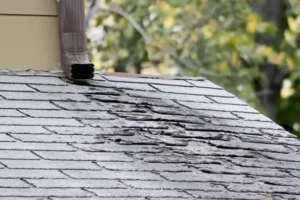
First off, humidity is a constant companion in Florida. This high moisture level can be tough on your roof, causing materials to warp or degrade faster than you might expect. If you’re planning a DIY repair, ensure the materials you choose are resistant to humidity.
Then there’s the not-so-gentle reminder of hurricane season, which loves to roll through Fort Myers and Cape Coral like it’s got no other place to be. The frequency of hurricanes and tropical systems in these parts means your roof needs to be as tough as nails. This means picking robust, weather-resistant materials that can take a beating and keep standing tall.
When choosing materials, don’t skimp on quality. Go for products designed to withstand these harsh conditions. That extra bit of investment upfront can save you from a world of pain later when Mother Nature decides to test your handiwork with one of her storms.
Finally, keep an eye on those unexpected weather changes. Florida’s known for its quick-turnaround weather patterns – sunny one minute, stormy the next. Plan your repairs for days when the weather looks stable, so you’re not caught mid-fix with rain pouring down.
Ultimately, navigating Florida’s weather for roof repairs is about preparation and choosing materials wisely. This sets a solid foundation for the rest of your DIY journey.
Essential Safety Gear for DIY Roof Repairs
Safety first, right? When you’re climbing up to fix that roof in Lehigh Acres or wherever you are in Florida, it’s crucial to gear up properly.
Start with footwear. Your trusty old sneakers might be comfortable, but they won’t help much on a steep roof. Pick shoes with a solid grip, designed explicitly for roof work. It’ll give you that extra stability you need.
Then, there’s the matter of headgear. A helmet might seem over the top, but trust me, if anything goes wrong, your head will thank you. Better safe than sorry!
Harnesses and ropes belong in every DIY-er’s toolkit, especially when you’re tackling roofs. These aren’t just for professional stunts. A good harness, properly anchored, can save you from a nasty fall. It’s a simple addition that makes a huge difference.
Do not underestimate the power of safety nets and guardrails. If you’re working on a particularly high roof or if there’s even a small chance of slipping, having these in place acts as a solid backup. They’re the unsung heroes in roofing safety, preventing accidents before they happen.
By prioritizing safety gear, you’re already halfway there to a successful and injury-free roof repair adventure. Arm yourself with the right equipment and take on that roof with confidence.
Navigating Local Building Codes in Fort Myers and Beyond
When it comes to DIY roof repairs, understanding local building codes is key, especially in places like Fort Myers and Cape Coral. Whether it’s a tiny patch-up or a full-on replacement, you need to know the rules before you hit that ladder with a hammer in hand.
Permits are a thing. You might think you’re saving time by skipping the paperwork, but forgetting a permit in places like Lehigh Acres can land you in hot water. Without the right permissions, you could face hefty fines or even be forced to tear down your hard work.
Getting to grips with compliance isn’t just about avoiding trouble. It’s about ensuring safety—for you, your family, and anyone under that roof. These codes are there for a reason: they help keep your structure sound and secure.
Need help figuring things out? Don’t hesitate to reach out to local building authorities. They’re more than willing to guide you through the specifics of what’s required in your area. Plus, they can point you in the direction of any resources or contacts you might need.
Getting acquainted with the local building codes not only smooths the path for a hassle-free repair but also lays down the groundwork for a roof that’s both up to standard and ready to tackle the elements.
Roof Inspection and Assessment Before Starting Repairs
Before you whip out the toolkit, take time to give your roof a proper inspection. It’s all about knowing what you’re up against, especially in spots like Naples and other coastal areas where the climate can be tough on roofs.
Start by looking for the usual suspects: missing or damaged shingles. These are often the first to go when storms hit, leaving your roof vulnerable. Use binoculars if needed so you don’t have to play the balancing act up there more than necessary.
Water damage and leaks can be sneaky. Check for signs like water stains on the ceiling inside your home or puddles in areas they shouldn’t be after a rainstorm. A good moisture meter can help detect these issues early before they turn into a bigger headache.
Don’t forget the flashing around vents and chimneys. These areas are notorious for causing leaks if they get compromised. Make sure the flashing is intact and not pulling away from the surface.
Your gutters and downspouts also deserve a good look. Clogged or damaged gutters can lead to water piling up and seeping where it shouldn’t. Make sure they’re clean and attached securely to avoid any unwanted surprises later.
Having a checklist handy can streamline the process. It’ll ensure you cover all the bases without missing any potential trouble spots. This up-front work sets the stage for a much smoother repair job.
Step-By-Step DIY Roof Repair Techniques
Getting ready to tackle those roof repairs yourself? Awesome! Here’s a step-by-step guide to help you through the process with confidence.
Start by preparing your workspace. Clear away any debris like leaves or branches. Make sure any loose items are secured, so nothing comes crashing down while you’re working.
Minor leaks driving you nuts? A good quality sealant is your best friend for those smaller patches. Apply it generously over leaky spots for a quick fix that’ll hold until bigger repairs can be done.
For damaged shingles, you’ll want to carefully remove the affected ones and replace them. Make sure your new shingles match the existing roof both in size and color to keep things looking seamless.
Flashing around vents and chimneys can be tricky, but it’s doable. Pry up the old flashing gently and fit new material snugly into place. Secure with roofing nails and apply a bead of sealant around the edges for extra protection.
Throughout your repair adventure, remember to pace yourself and take breaks when needed. It’s easy to get caught up in the work, but safety matters the whole time.
